The best way to treat your uncomfortable allergy symptoms is to determine their exact cause; that’s where allergy testing comes in. By exposing you to a small amount of common allergic reaction-triggering substances and monitoring your body’s reaction, we can determine what substances you’re sensitive to, making a treatment plan possible.
Skin Prick Testing
Skin tests are the preferred allergy test because they are safe, affordable and they provide accurate results.
How Does a Skin Test Procedure Work?
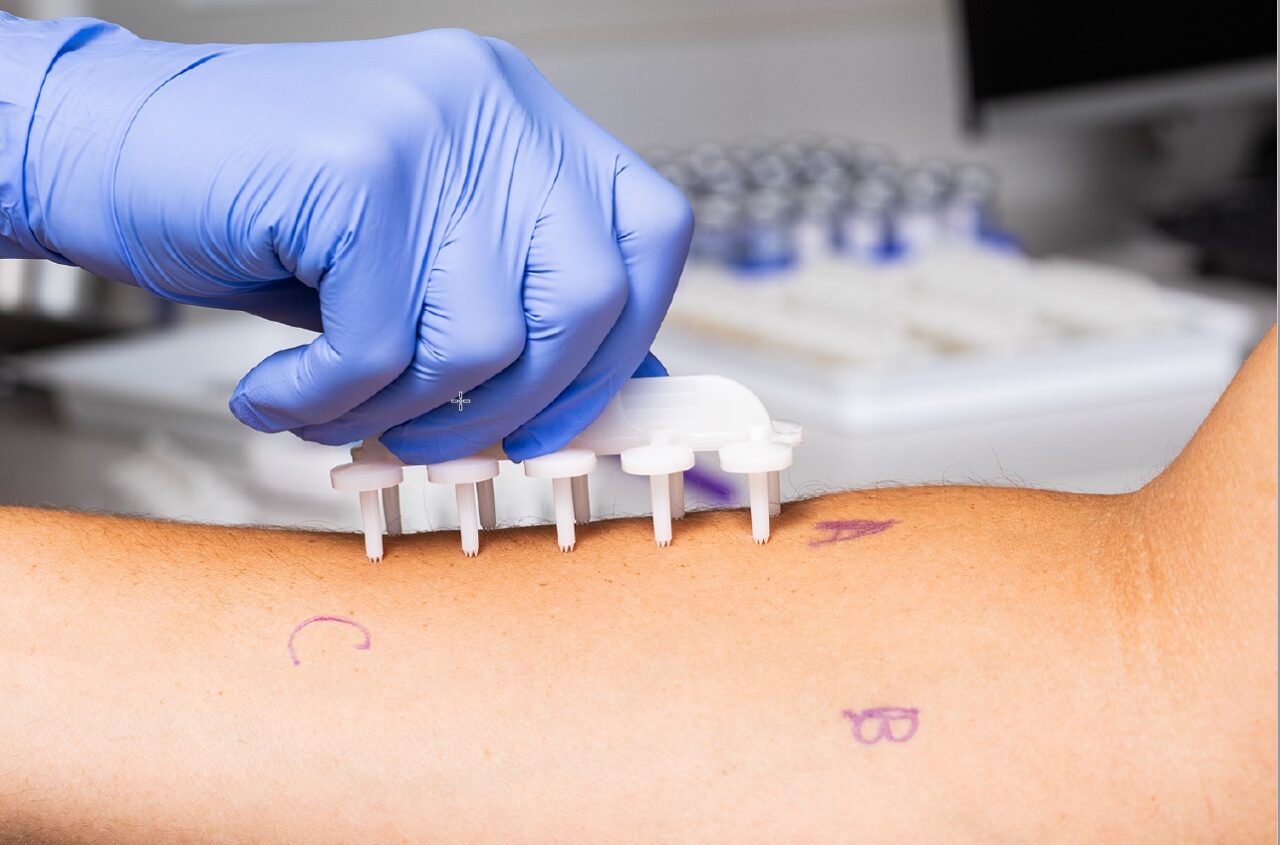
In prick testing, several drops of a solution containing the suspected allergen are placed on the surface of the skin. A needle is used to prick or scratch the skin where the drops are placed.
If your body is allergic to this substance, the immune system will respond. The result is swelling and redness on the skin.
How Fast Are the Results of a Skin Prick Test?
This allergy testing procedure is performed in-office and should take no longer than 20 to 40 minutes. Skin prick test results are available before you leave the doctor’s office because skin prick tests are visual. With a prick test, an allergist can tell whether you are allergic to an allergen based on how your body responds.
Prick testing is safe and reliable. This test may cause minor discomfort, swelling or itching. It is most often used to test for allergies to pollen, mold, dust mites, pet dander and food.
Skin Prick Test vs. Patch Test
A patch test is another topical (i.e., applied to the skin) test that is more often used to identify allergens that cause skin rashes. Patch tests typically take several days to process and function differently. Where a skin prick test introduces a tiny amount of an allergen into the skin, a patch test holds a liquid containing the allergen on top of the skin using a specialized patch. After 48 hours, the patient can return to the allergist, who will then mark the test sites, and a third appointment may occur another 48 hours later before final results can be determined.
Watch Our Three-Minute Video on Skin Prick Tests!
Intradermal Test
An intradermal test, or blood test, is used when a skin prick test does not produce an allergic reaction, to confirm the results of a skin prick test, or if there are concerns that a severe, even life-threatening reaction could occur to even a small amount of exposure to a potential allergen.
How Does a Blood Test Procedure Work?
An intradermal wheal, or “bleb,” is injected directly under the top layer of skin. After 15 minutes, any reactions are measured and classified as either positive or negative.
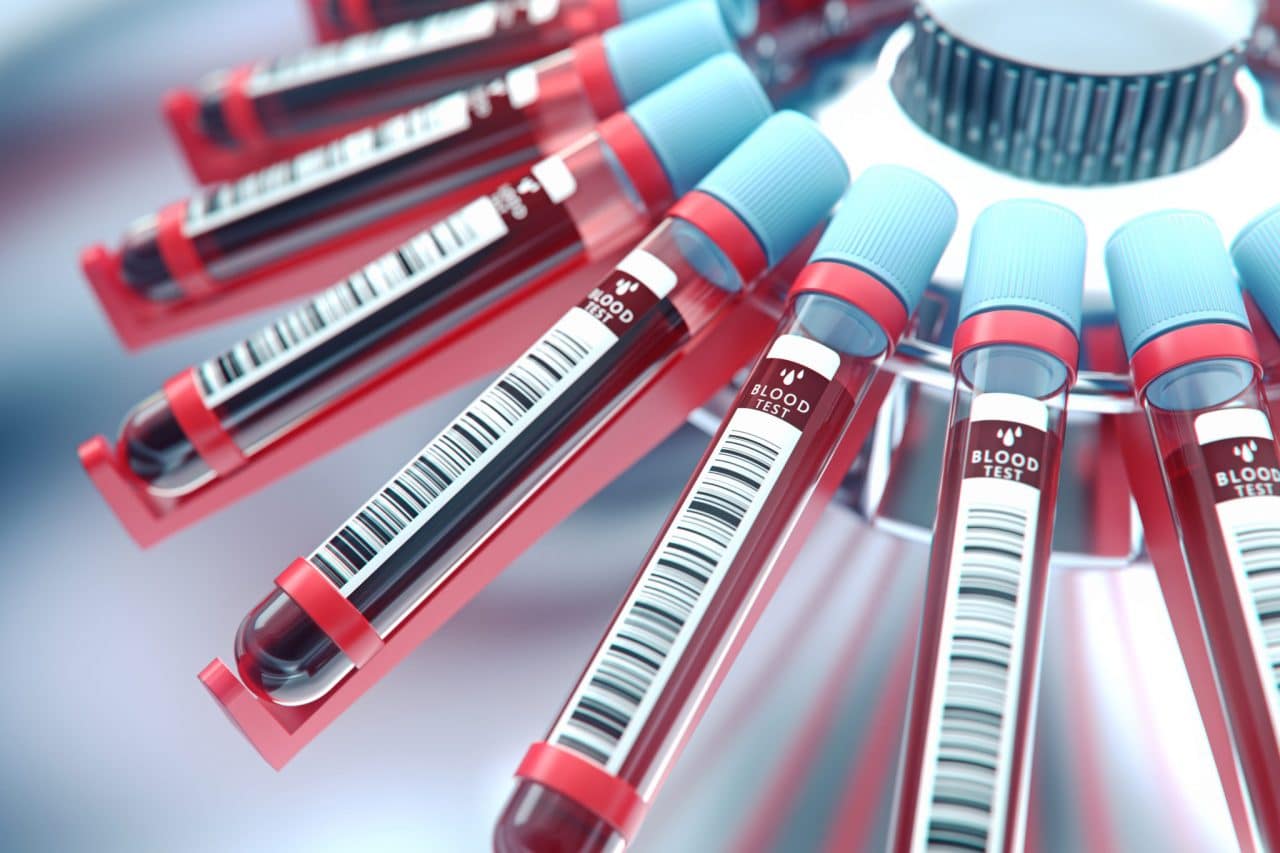
A blood test measures how much of an allergen-specific antibody, called immunoglobulin E (IgE), is in your blood. The more allergen-specific IgE in your blood, the more likely you are to be allergic.
The most common blood test is a radioallergosorbent (RAST) test. It screens for common allergy triggers such as pollen, mold, dust mites and pet dander. RAST is the preferred testing method for infants and children. It is less expensive and results take longer since an outside lab is involved.
Which Test Is Right for Me?
Typically, we start out with a skin prick test, as it is quicker and allows for testing several allergens at once.
Some medications and conditions make blood testing preferable because blood testing doesn’t expose a patient to allergens. Medicines on that list include antihistamines, steroids and antidepressants. Additionally, people with life-threatening allergies, skin conditions, asthma or heart conditions may all be better candidates for a blood test.
What Happens After Allergy Testing?
Once we’ve confirmed what allergens trigger your symptoms, we can begin building a customized allergy management plan with you. This could include several different recommendations, including:
- Environmental avoidance strategies
- Lifestyle changes
- Medication options
- Immunotherapy (allergy shots or drops)
Knowledge is power: What we recommend and what plan we build will depend heavily on what you’re allergic to, how severe your allergy is and your personal preferences. We look forward to working with you to help you get the relief you need!
Please note:
- We do not perform Penicillin testing at AENT.
- Allergy skin testing at AENT does not include testing for tree nuts, peanuts, shellfish or any chemicals, dyes, metals or medications.
- We do not perform food challenges, aspirin desensitization, plant desensitization or venom desensitization.
- Skin prick testing at AENT is limited to 20 common foods.
Call Albany ENT & Allergy Services at 518-701-2085 for more information or to schedule an appointment.